What Is a Cross-Complaint in California Civil Litigation?
A cross-complaint lets a defendant assert claims against the plaintiff, or against a third party, within the same lawsuit. In California, some cross-complaints are compulsory — if you do not file them when your answer is due, you lose those claims permanently. Timing is everything.
What Is a Cross-Complaint?
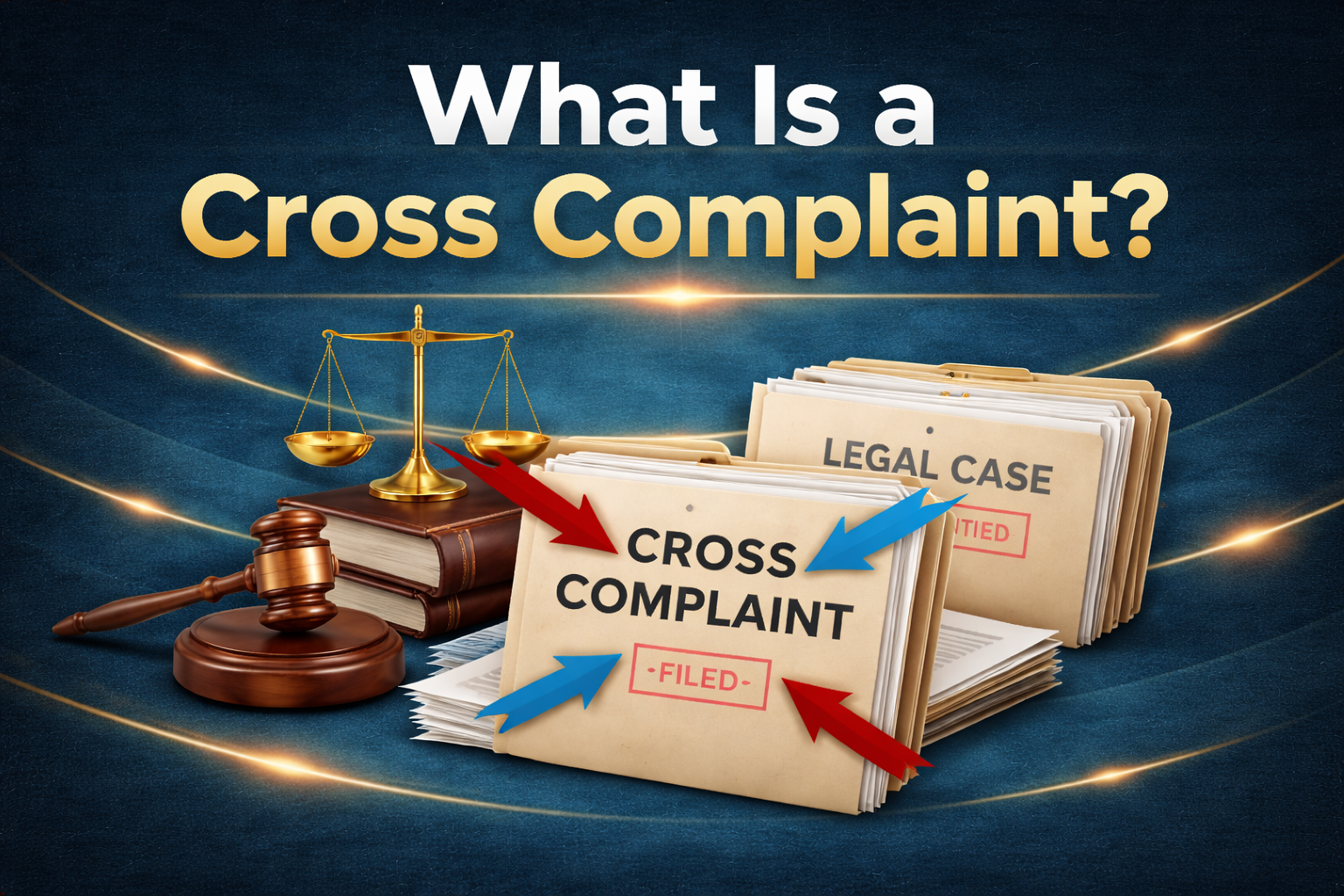
A cross-complaint is a pleading filed by a defendant (or any other party) in a pending California civil action that asserts affirmative claims — either against the plaintiff, against a co-defendant, or against a new party not yet in the case. It allows related claims to be resolved in a single proceeding, avoiding the inefficiency and risk of parallel lawsuits involving the same underlying facts.
Concrete Example
In a car accident case, the defendant driver is sued for injuries to the plaintiff. The defendant believes a third driver — not a party to the lawsuit — was actually responsible for causing the collision. The defendant can file a cross-complaint naming the third driver, bringing them into the case and allowing the court to allocate fault among all parties in a single proceeding.
Compulsory vs. Permissive Cross-Complaints
California law distinguishes between two types of cross-complaints:
Compulsory cross-complaints are those that arise out of the same transaction or occurrence as the plaintiff's complaint. Under California Code of Civil Procedure section 426.30, if a defendant fails to file a compulsory cross-complaint before or at the time the answer is due, the right to bring that claim in any future proceeding is forfeited — permanently. This is one of the most consequential procedural traps in California civil litigation.
Permissive cross-complaints are claims that do not arise out of the same transaction or occurrence. These may be filed at any time before the court sets the trial date, subject to the court's permission, and the failure to file them does not bar a future lawsuit on the same claims.
Deadlines and Procedure
A compulsory cross-complaint must be filed at the same time as the answer, or earlier. If a defendant misses this deadline, the court may grant leave to file a late cross-complaint under Code of Civil Procedure section 426.50, but leave is not guaranteed and requires a showing that the failure was due to oversight, inadvertence, or mistake.
Bringing in Third Parties
One of the most strategic uses of a cross-complaint is to bring in a third party who was not named in the original complaint. California Code of Civil Procedure section 428.10 permits a cross-complaint against any person — whether or not already a party — if the claim arises out of the same transaction or occurrence as the complaint, or relates to property that is the subject of the original action.
Frequently Asked Questions
A cross-complaint is a pleading filed by a defendant in a California civil case that asserts affirmative claims — either against the plaintiff, against a co-defendant, or against a new third party. It allows related claims to be resolved in one proceeding rather than multiple lawsuits.
A cross-complaint is compulsory when the claim arises out of the same transaction or occurrence as the plaintiff's complaint. Under Code of Civil Procedure section 426.30, failure to file a compulsory cross-complaint before or when the answer is due forfeits the right to bring that claim in any future proceeding.
You permanently lose the right to assert that claim in any other action. If you have been served with a complaint and believe you have claims arising from the same facts, consult an attorney immediately before your answer deadline passes.
Yes. Code of Civil Procedure section 428.10 expressly permits a cross-complaint against any person — whether or not already a party — if the claim arises out of the same transaction or occurrence as the original complaint, or relates to property at issue in the case.
You are not legally required to have an attorney, but given the permanent consequences of missing the compulsory cross-complaint deadline and the strategic importance of framing related claims correctly, consulting a California civil litigation attorney before your answer is due is strongly advisable.
If you have been served with a complaint in California and believe you have related claims to assert, McLellan Law Group, LLP can evaluate your cross-complaint options before your answer deadline. We serve clients throughout Saratoga, San Jose, Santa Clara County, and Silicon Valley. Contact us at mclellanlawgroup.lawbrokr.com or call (408) 963-7533.
About the Authors
Claire Melehani, Esq.
Civil litigation attorney at McLellan Law Group with extensive experience representing clients in business disputes throughout Silicon Valley and Santa Clara County.
Steven McLellan, Esq.
Founding attorney at McLellan Law Group, specializing in business litigation and civil procedure throughout Silicon Valley and Santa Clara County.
Advertising Material Disclaimer: This article is an advertisement for legal services by McLellan Law Group, LLP. The information provided is for general informational purposes only and does not constitute legal advice. Reading this article does not create an attorney-client relationship. Prior results do not guarantee a similar outcome. Responsible Attorney: Claire Melehani, Esq., 20665 4th Street, Suite 202, Saratoga, CA 95070.